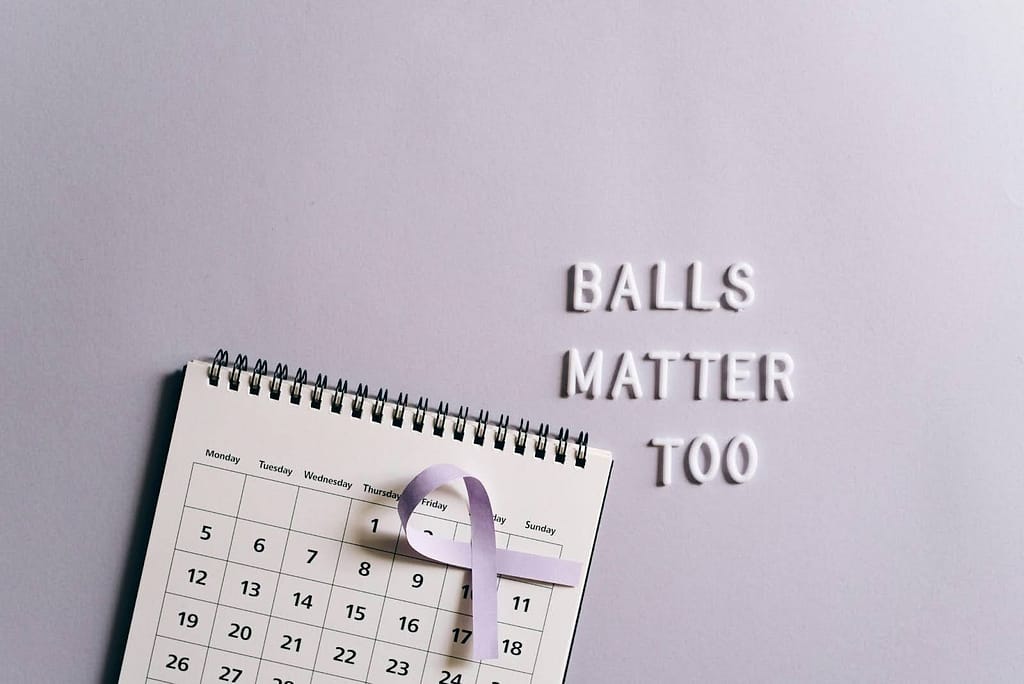

Feeling tired, moody, or just not like yourself? It might not be ageing, it could be your hormones. Understanding the causes and risk factors of low testosterone is essential for men, especially after 35, when hormone levels naturally begin to shift.
Left unchecked, low testosterone can affect everything from your energy and mood to sleep, libido, and muscle mass.
What Is Testosterone and Why It Matters
Testosterone is the hormone that helps with muscle growth, mood, energy, and even sex drive. It’s natural for levels to decline with age, but certain lifestyle habits and health issues can cause a decreased testosterone level sooner than expected.
If you’re wondering how to know if you have low testosterone, here are a few signs:
- Low energy and motivation
- Mood swings or irritability
- Weight gain, especially around the belly
- Poor sleep and brain fog
- Lowered libido or performance issues
Let’s dive into the most common causes of low testosterone that could be flying under the radar.
1. Chronic Stress
Stress doesn’t just impact your mental state it messes with your hormones too. High cortisol levels (the stress hormone) can block testosterone production, leading to lacking testosterone over time.
Tip: Try short daily walks, breathing exercises, or journaling to bring stress levels down naturally.
2. Poor Diet and Nutrition
Eating too much processed food and sugar? That’s a fast track to hormonal imbalance. Your body needs healthy fats, proteins, and key nutrients to maintain optimal testosterone.
Quick Fix: Include foods like eggs, leafy greens, nuts, and salmon in your diet to support testosterone levels by age.
3. Lack of Physical Activity
A sedentary lifestyle not only affects your waistline but also your hormone production. Regular movement, especially strength training, can help reverse a deficiency of testosterone symptoms and increase natural hormone levels.
Remember: You don’t need a gym – bodyweight exercises and walking work wonders.
4. Alcohol and Smoking
Both alcohol and tobacco can damage hormone-producing glands over time. Heavy drinking can reduce testosterone, and smoking can interfere with blood flow and other bodily functions.
This combo is one of the lesser-known but dangerous low testosterone causes.
5. Obesity and Belly Fat
Fat cells (especially in the abdomen) can convert testosterone into estrogen. The more belly fat you carry, the higher your risk of hormonal disruption.
This is a key link between weight and the causes and risk factors of low testosterone and one of the most overlooked.
6. Sleep Deprivation
Sleep is when the body repairs itself—and produces hormones. Men who get less than 6 hours of sleep a night are more likely to show symptoms of fluctuating testosterone, including mood changes and fatigue.
Try this: Aim for 7–8 hours of uninterrupted sleep. Establish a calming bedtime routine to support hormone health.
7. Ageing and Medical Conditions
Yes, testosterone naturally declines with age. But certain medical conditions like diabetes, thyroid issues, or low pituitary function, can accelerate the drop.
It’s wise to schedule a testosterone level test if you’ve noticed changes. Simple tests for testosterone deficiency can confirm where you stand and whether lifestyle changes may help.
Bonus: How to Test for Low Testosterone
- Blood Test: The most common method. Ask your doctor about getting a low testosterone symptoms test.
- Track Symptoms: Journaling how you feel over time can reveal patterns.
- Age-Based Check: Research shows testosterone levels by age typically decline by 1% a year after age 30.
If you’re unsure what a dangerously low testosterone level is, talk to a qualified provider, but remember, lifestyle plays a big role in keeping your levels steady.
Awareness Is the First Step
You don’t need a lab coat to know when something feels off. Many men over 35 experience the symptoms of fluctuating testosterone, but brush them off as just ageing. Don’t ignore the signs. Learning the causes and risk factors of low testosterone can empower you to make smarter health choices—before it affects your day-to-day life.
Taking charge of your health starts by understanding the causes and risk factors of low testosterone, and acting before symptoms take control.
What’s One Lifestyle Change You’ll Try This Week to Support Your Hormones?
Drop it in the comments or journal it privately, either way, your health journey starts with awareness.