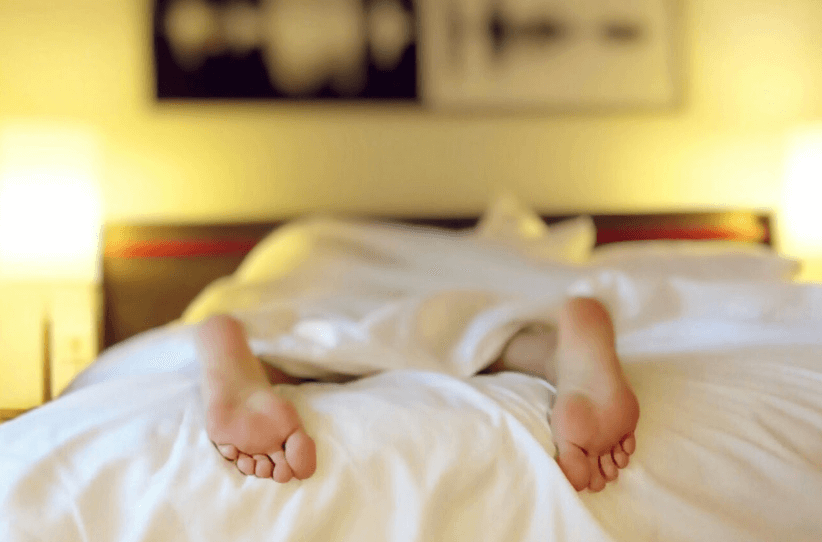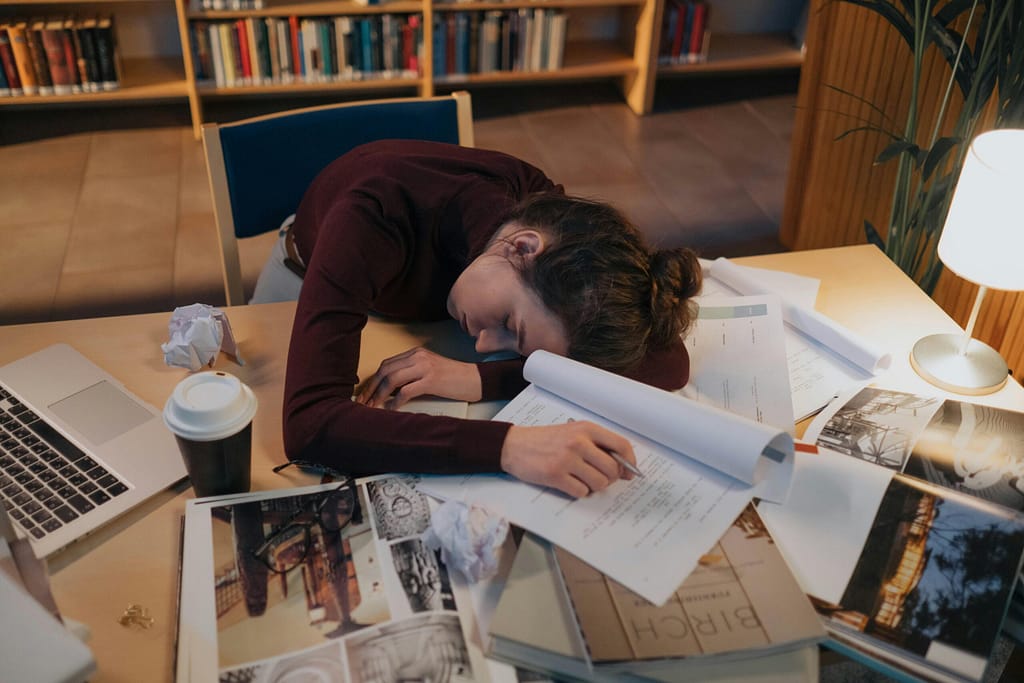
How screen time affects sleep is something we often ignore until we’re tossing and turning at night, wondering why we feel so restless. I learned this the hard way.
After months of scrolling before bed, waking up groggy, and relying on coffee to survive the day, I decided to do a little experiment, a 3-day screen detox. And let me tell you, the results shocked me.
This post is for anyone who feels glued to their devices and dreams of waking up refreshed. Stick with me, because by the end, you’ll know exactly why screen time affects sleep and how to reclaim your rest in just three days.
Day 1: The Wake-Up Call
When I started tracking my evenings, I realized I was spending nearly two hours on my phone before bed. Scrolling Instagram, binge-watching a series, checking emails, sound familiar? It turns out screen time and sleep are deeply connected because of one major culprit: blue light.
Blue light emitted from screens tricks your brain into thinking it’s daytime, suppressing melatonin, the sleep hormone. That’s why screen time affects sleep quality so much, you might feel tired, but your brain is still on high alert.
If you’re wondering, does screen time affect sleep in adults the same way as kids? The answer is yes, our brains work similarly when it comes to light exposure.
Why Does Screen Time Affect Sleep So Much?
Here’s the science in simple terms: your body runs on a circadian rhythm, your natural sleep-wake cycle. Bright screens at night confuse this rhythm. That’s why screen time and sleep quality suffer when you’re glued to your phone. You might fall asleep eventually, but you don’t get deep, restorative sleep.
In fact, research on screen time before bed shows that even one hour of scrolling can delay sleep onset by 30–60 minutes. The more you scroll, the more wired your brain becomes.
Day 2: Replacing Screens With Sleep-Friendly Habits
On Day 2, I made a deal with myself: no screens 60 minutes before bed. That meant no Netflix, no Instagram, no emails. Instead, I swapped my phone for a paperback book and calming music.
What happened?
I fell asleep faster.
My brain wasn’t buzzing with social media updates or work reminders. This is where screen time and sleep really clash, our minds need a wind-down period, and screens steal that from us.
Try This Instead of Screens:
-
Read a physical book or magazine
-
Listen to an audiobook or calming playlist
-
Do a quick 10-minute bedtime stretch
-
Try journaling your thoughts to clear mental clutter
By replacing screens with these habits, you’ll notice your sleep feels deeper and more refreshing.
Screen Time and Sleep Statistics That Will Shock You
Before this experiment, I thought I was just a little tired. But the numbers tell a bigger story. Studies show:
-
People who use screens right before bed are 50% more likely to have poor sleep quality.
-
Adults exposed to screens for more than 2 hours before bed report higher stress and lower energy levels the next day.
-
Limiting screen time before bed can improve deep sleep by up to 20% in just a week.
These stats explain why so many of us wake up tired, even after 8 hours in bed. The truth is, if your brain never got to power down, your body didn’t either.
Day 3: The Miracle Kicks In
By Day 3 of my detox, something amazing happened: I woke up before my alarm feeling refreshed. No grogginess. No headache. Just energy. It was proof that how screen time affects sleep isn’t a myth, it’s very real.
My skin even looked better (good sleep does that!), and I didn’t need that second cup of coffee.
The best part?
My mood improved.
I wasn’t snapping at little things because I wasn’t running on empty.
Practical Steps for Your Own 3-Day Screen Detox
Want to try this yourself? Here’s how to start:
Day 1: Cut bedtime screen time in half. Use blue-light filters if you must use your phone.
Day 2: Go screen-free for 30–60 minutes before bed. Swap it with reading or a relaxing habit.
Day 3: Keep your phone out of the bedroom. Use an alarm clock instead.
Can a Screen Detox Fix Your Sleep?
Absolutely.
My experiment taught me that small changes, like reducing evening screen exposure, can transform your nights. It’s not about quitting screens forever; it’s about setting boundaries that protect your rest.
If you’ve been wondering how screen time affects sleep, now you know: it’s one of the biggest culprits behind restless nights. Try this 3-day detox and see how different you feel.
Better sleep, brighter mornings, and more energy are just a few nights away. How screen time affects sleep might surprise you, but fixing it will change your life.
Ready to give your mind and body the rest they deserve?
Start your 3-day screen detox challenge today!
Unplug for better sleep, sharper focus, and a healthier you.
Share your experience in the comments or tag us on Instagram @HealthAfter35