Understanding ingredients like Parabens, Phthalates is becoming more important than ever, especially for adults over 35 who want cleaner, safer skincare and haircare routines. As we age, our skin becomes more sensitive, our hair more delicate, and our interest in long-term wellness grows stronger. Yet many people unknowingly use products containing chemicals they cannot even pronounce.
This guide breaks everything down in a friendly, easy way, so you can understand toxic skincare ingredients without feeling overwhelmed. No fear, no complex science, just simple awareness to help you make better choices for your skin and hair.
What These Ingredients Are
Parabens and phthalates are commonly used in everyday beauty and personal care products. You’ll find them in lotions, shampoos, soaps, deodorants, shampoos, makeup, and even in some “natural” products.
Parabens
These are preservatives used to make products last longer. They appear under names like:
-
Methylparaben
-
Propylparaben
-
Butylparaben
-
Ethylparaben
They are often highlighted in lists of bad skin care ingredients, especially when people search for toxic 12 cosmetic ingredients or ingredients to avoid in skincare.
Phthalates
Phthalates help products stay soft, spread easily, and hold fragrance. You may see them listed as:
-
DEP
-
DBP
-
DEHP
People often search for them under terms like makeup toxic ingredients or ingredients to avoid in face creams because they are considered controversial in many wellness discussions.
This guide explores these ingredients purely for awareness, not medical advice.
Why It Matters More After Age 35
Once you cross 35, your skin and hair start changing noticeably. Sensitivity increases, hydration levels drop, and hormonal shifts begin to impact moisture, elasticity, and texture.
Here’s why understanding Parabens, Phthalates becomes important:
1. Aging Skin Becomes More Reactive
Products that never bothered you before may suddenly cause dryness, redness, or dullness.
2. Hormonal Shifts Influence Texture
Your skin barrier becomes more fragile and your hair loses moisture more easily.
3. Lifestyle Stressors Add Up
Work stress, late nights, pollutants, and multitasking all impact skin health.
4. Increased Curiosity About Clean Living
Adults after 35 begin asking things like:
-
“What ingredients to avoid in skincare products?”
-
“What are the top 5 ingredients to avoid in skincare?”
-
“Are there harmful skincare ingredients I should look out for?”
Because they want wellness, longevity, and clarity, not unnecessary chemicals.
5. Skin & Hair Regeneration Slows Down
Which means ingredients matter more than ever.
Understanding the role of Parabens, Phthalates helps you stay in control of your routine.
Common Causes & Triggers in Daily Skincare
You may not be aware of how often your skin is exposed to chemical-heavy products. Many old favorites contain harmful effects of chemicals in cosmetics, including:
-
Synthetic fragrances
-
Preservatives
-
Foaming agents
-
Silicones
-
Dyes
-
Alcohol-based chemicals
These often appear in:
-
Shampoos
-
Conditioners
-
Bar soaps (harmful ingredients in bar soap)
-
Perfumes
-
Lotions (ingredients to avoid in lotion)
-
Moisturizers (moisturizer ingredients to avoid)
-
Makeup (harmful makeup brands)
-
Serums
-
Face creams (ingredients to avoid in face creams)
Knowing what to look for makes all the difference.
Signs You May Notice
These are simple observations, not medical diagnosis:
-
Dryness even after moisturizing
-
Dull or uneven skin tone
-
Itchy or irritated scalp
-
Sudden breakouts
-
Product buildup on hair
-
Feeling your skin is “tired”
-
Sensitivity to fragrances
-
Rough patches
-
Unusual dryness during weather changes
These experiences can make people wonder if certain toxic skincare ingredients are affecting their routine.
How These Ingredients Affect Daily Life
The impact isn’t always visible immediately. But over time, people notice differences in comfort and appearance.
1. Daily Confidence
Your skin reflects your routine. When it isn’t behaving well, confidence dips naturally.
2. Product Dependency
Heavily formulated cosmetics may make skin dependent on synthetics rather than natural moisture balance.
3. Emotional Wellness
Your skin and hair influence how you show up in the world—tired skin can make you feel tired emotionally.
4. Sensory Overload
Fragranced products containing phthalates can trigger discomfort in sensitive adults.
5. Lifestyle Misalignment
People wanting a clean lifestyle feel uncomfortable when surrounded by chemical-heavy products.
This awareness encourages healthier choices, one small step at a time.
General Wellness Tips for Safer Skin & Hair Care
Here are friendly, simple, non-clinical ideas to improve your routine:
1. Read Labels Gently
Look for clear wording:
“Paraben-free”
“Phthalate-free”
“Fragrance-free”
2. Choose Simpler Products
Shorter ingredient lists = easier for your skin.
3. Give Your Skin a Breather
Avoid layering too many products daily.
4. Stay Hydrated
Good skin starts from within.
5. Move Toward Gentle Alternatives
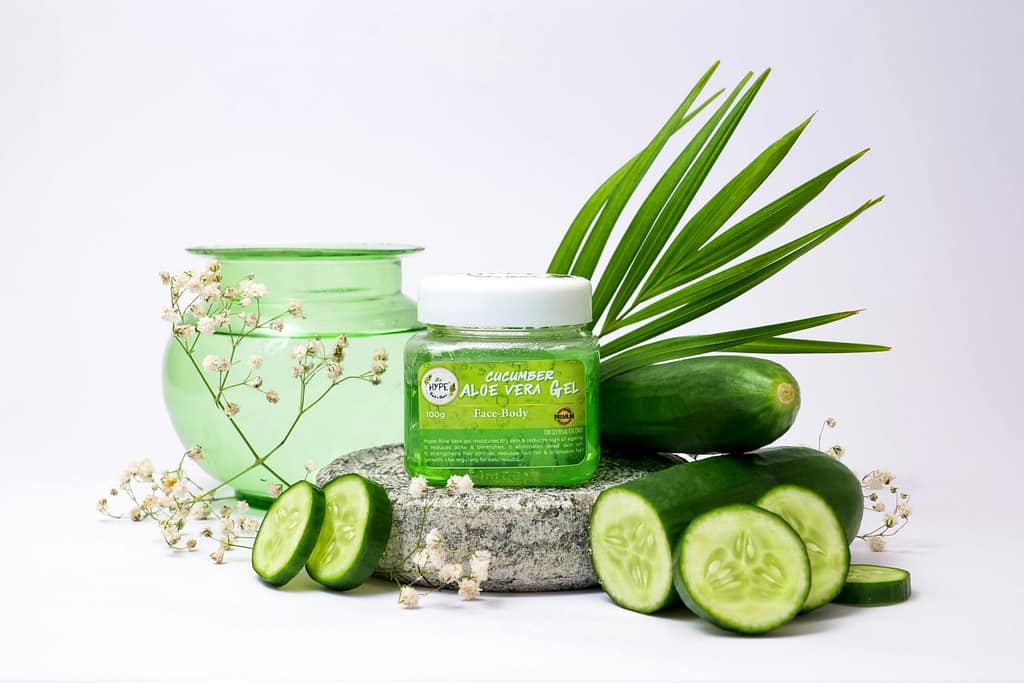
Natural oils, aloe gel, and clean beauty brands help simplify routines.
6. Pay Attention to How Products Make You Feel
Your skin’s reaction matters more than the label.
7. Keep Haircare Balanced
Alternate between clarifying and moisturizing shampoos.
These habits help your routine stay clean and supportive.
Prevention & Awareness Tips
Shift Slowly
You don’t need to throw everything out. Replace one product at a time.
Know Your “Avoid List”
Common harmful ingredients include:
-
Parabens
-
Phthalates
-
Sulfates
-
Formaldehyde releasers
-
Artificial fragrance
-
Heavy alcohols
-
Mineral oil
-
PEG compounds
This is often part of a list of controversial chemicals many people avoid.
Do a Product Audit
Look through your bath, dresser, and makeup bag.
Use a Harmful Skincare Ingredients Checker
Many apps help identify ingredients to avoid in skincare routine.
Try Cleaner Makeup
Especially if you’re worried about makeup toxic ingredients.
Compare Before & After
Your skin will show you what works.
Clean routines don’t have to be expensive, they just need awareness.
Myths vs Facts
Myth 1: Natural products are always safer.
Fact: Some natural products can irritate sensitive skin. Always check ingredients.
Myth 2: If a product smells nice, it’s safe.
Fact: Strong fragrance often contains phthalates.
Myth 3: Expensive equals clean.
Fact: Price does not determine purity.
Myth 4: Parabens are rare.
Fact: They appear in thousands of daily products.
Myth 5: You need a complicated routine.
Fact: Simpler is often better for mature skin.
Healthy skin and hair begin with awareness. The more you understand what goes into your products, the easier it becomes to choose cleaner, gentler options. You don’t have to overhaul your skincare overnight—just take small steps to become more conscious of what you apply to your body every day.
Your wellbeing matters, start with one small change today, and let this guide help you stay aware of Parabens, Phthalates in your routine so you feel confident avoiding Parabens, Phthalates.