Most of us know about anxiety, depression, or stress, but the world of mental health is far broader. Did you know that some people experience truly unusual conditions known as rare mental syndromes?
These are not your everyday challenges, they are quirky, fascinating, and sometimes unsettling psychological states that reveal just how complex the human mind can be.
In this post, we’ll dive into the psychological syndromes list that includes rare medical syndromes you’ve probably never heard of. From unusual beliefs to surprising behaviours, these conditions can feel like emotional chaos for those who live with them.
What Makes a Syndrome “Rare”?
The term “rare” doesn’t necessarily mean it affects only a handful of people. Sometimes, it means the syndrome is under-researched, misunderstood, or overlooked in everyday conversations about mental health. Unlike common disorders, rare mental syndromes often show up in unusual ways, through altered perception, distorted thinking, or unique patterns of behaviour.
Why Learn About Rare Medical Syndromes?
-
They broaden our understanding of human psychology.
-
They encourage empathy for those experiencing uncommon struggles.
-
They remind us that mental health is not “one-size-fits-all.”
-
They can even explain strange stories or historical behaviors.
By exploring the top 10 syndromes most people have never heard of, we can become more aware of the many layers of emotional and psychological wellbeing.
The Psychological Syndromes List: Top 10 Rare Mental Syndromes
Here are ten fascinating examples of rare and unusual syndromes that highlight the mystery of the human mind.
1. Capgras Syndrome
A person believes their loved one has been replaced by an identical imposter. Imagine looking at your spouse and thinking they’re not really your spouse, it’s unsettling and disorienting.
2. Cotard’s Delusion
Also called “Walking Corpse Syndrome,” this condition leads people to believe they are dead, don’t exist, or have lost their organs.
3. Alice in Wonderland Syndrome
Perception is altered, objects, body parts, or even time seem distorted. Someone may feel their hands are growing or shrinking, or that the room around them is warping.
4. Fregoli Delusion
A belief that different people are actually one person in disguise. This can create confusion and mistrust in everyday interactions.
5. Stendhal Syndrome
Some people feel dizzy, anxious, or emotionally overwhelmed when exposed to great art or beauty. Museums in Italy have even reported cases!
6. Diogenes Syndrome
Linked with extreme hoarding, self-neglect, and social withdrawal, this syndrome often goes unnoticed until living conditions become severe.
7. Jerusalem Syndrome
A rare condition where visitors to Jerusalem develop intense religious delusions or spiritual experiences, believing themselves to be prophets or chosen figures.
8. Paris Syndrome
Mostly reported among tourists, this syndrome leaves people shocked, anxious, or depressed when Paris doesn’t meet their romanticized expectations.
9. Ekbom Syndrome
Also known as “delusional parasitosis,” where individuals believe their skin is infested with insects despite no physical evidence.
10. Foreign Accent Syndrome
After trauma or health changes, some people suddenly begin speaking with a foreign accent they never learned.
These examples show how rare medical syndromes can dramatically alter everyday life, causing confusion, fear, or even unwanted attention.
The Emotional Impact of Rare Mental Syndromes
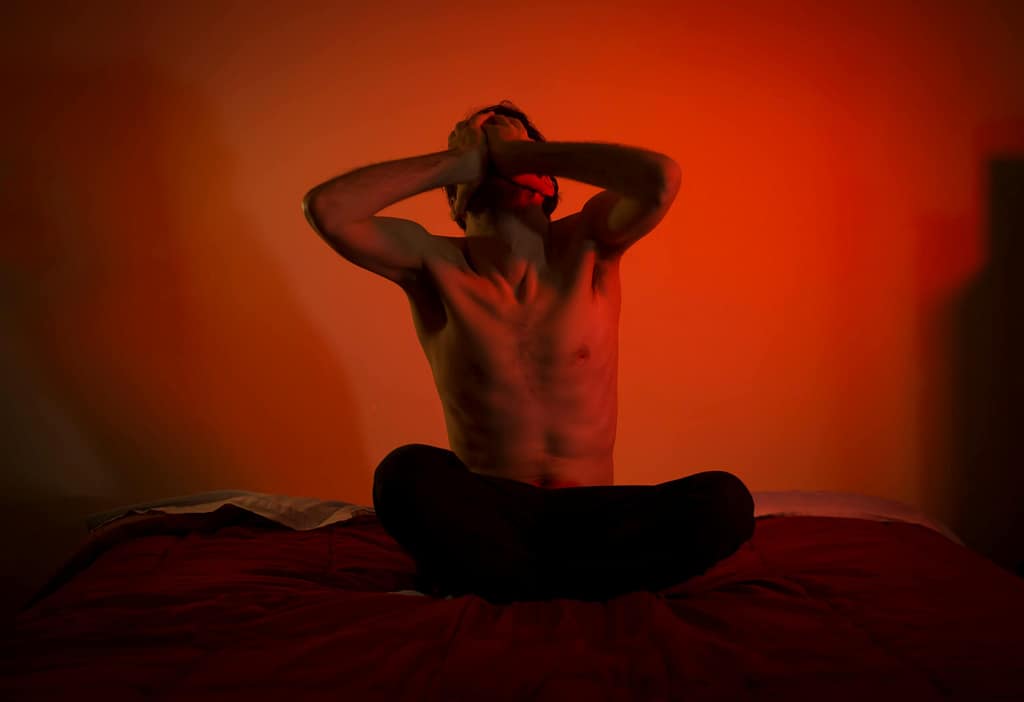
Living with these conditions can create a sense of emotional chaos.
Imagine:
-
Feeling cut off from loved ones due to distrust.
-
Believing your body or mind is no longer your own.
-
Facing disbelief or stigma because others don’t understand.
This is why conversations about rare mental syndromes matter. They help us see that psychological health is as diverse and unique as each individual.
Everyday Relevance for Adults Over 35
You may wonder, “Why should I care about these unusual conditions?” The answer is simple: awareness builds empathy. For adults over 35, understanding different forms of mental health challenges can help in:
-
Supporting friends or family who may experience unusual symptoms.
-
Encouraging open dialogue about mental health at work or home.
-
Breaking down the stigma surrounding psychological disorders.
Rare Mental Syndromes vs. Common Mental Health Struggles
Unlike anxiety, depression, or sleep disorders, which are more widely recognized, rare medical syndromes often sit in the background. That doesn’t make them less real, it just means fewer people talk about them. Adding them to the psychological syndromes list creates space for broader awareness and compassion.
Coping with Emotional Chaos
Even if you’ve never encountered someone with these syndromes, we all know what emotional chaos feels like. Stress, mood swings, or feeling “not yourself” can be unsettling. Learning about these conditions can inspire you to:
-
Be kinder to yourself when you feel out of balance.
-
Offer support instead of judgment to those facing mental struggles.
-
Stay curious about the mysteries of the human mind.
Why Rare Mental Syndromes Matter
Exploring the top 10 syndromes in this list reminds us that mental health is complex, surprising, and deeply human. The stories behind these conditions may be unusual, but the emotional chaos they create is real.
By raising awareness, we take one step toward reducing stigma and creating a world where all mental health experiences, common or rare, are met with compassion.
Have you ever come across a story about unusual or rare mental syndromes that fascinated you?
Share your thoughts in the comments and let’s start a conversation about how diverse and mysterious the human mind truly is.