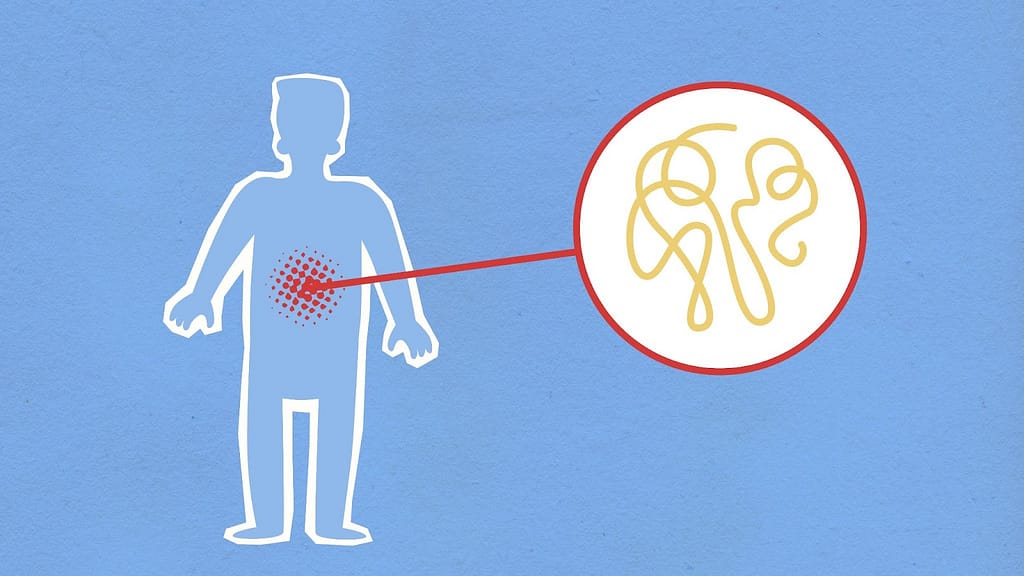

When gastrointestinal discomfort becomes a regular part of your day after 35, it’s often your body asking for attention—not panic. Over time, many adults notice that digestion simply doesn’t feel as smooth as it once did.
For example, meals that were once effortless may now come with bloating, heaviness, or general discomfort. At the same time, stress levels tend to rise, routines feel tighter, and food timing becomes inconsistent. As a result, digestive balance can easily be disrupted without any obvious warning.
That’s exactly why this guide exists. It breaks down common digestive concerns in a simple, friendly, and non-scary way so you can better understand what your body might be signaling. More importantly, it shows how everyday lifestyle awareness can gradually improve your overall digestive comfort.
What Gastrointestinal Health Really Means
In simple terms, gastrointestinal health refers to your digestive system, from the moment food enters your mouth until waste leaves your body. This includes your stomach, intestines, and the digestive processes that help break down food, absorb nutrients, and remove waste efficiently.
When digestion feels balanced, you rarely think about it.
However, when something feels off, you notice it almost immediately.
Common examples of gastrointestinal imbalance often include:
-
Feeling overly full after meals
-
Gas or bloating
-
Irregular bowel movements
-
Mild abdominal discomfort
-
Sensitivity to certain foods
-
Stomach problems after eating
Importantly, none of these experiences automatically mean illness.
In many cases, they fall under lifestyle-related or functional gastrointestinal disorder, where digestion is influenced more by habits, stress, and routine than by disease.
Why Digestive Health Matters More After Age 35
After 35, digestion naturally becomes more sensitive, and this happens for perfectly normal reasons.
1. Slower Digestive Movement
As we age, food may take longer to move through the gut, which can increase feelings of heaviness.
2. Increased Stress Load
Meanwhile, work pressure, family responsibilities, and mental load begin to influence digestion more directly.
3. Hormonal Changes
In addition, hormonal shifts affect how the gut responds to food, stress, and daily rhythms.
4. Lifestyle Shifts
Late meals, rushed eating, reduced physical activity, and irregular sleep patterns all play a role.
5. Past Health Events
Occasionally, previous surgeries or infections may leave behind changes such as abdominal adhesions, which can affect comfort later in life.
Because of these combined factors, many adults start noticing recurring gastrointestinal distress, even when they believe they are eating “normally.”
Common Causes & Everyday Triggers
For most people, digestive discomfort comes from daily patterns rather than disease.
Common triggers often include:
-
Eating too fast
-
Large portion sizes
-
Skipping meals
-
High caffeine intake
-
Low-fiber diets
-
Inadequate hydration
-
Stress while eating
-
Late-night meals
-
Lack of movement
-
Poor sleep
-
Emotional tension
Over time, these habits can lead to digestive problems symptoms that feel unpredictable. However, once patterns are recognized, the discomfort often makes a lot more sense.
Common Digestive Disorders
Below is a simplified, non-medical list of gastrointestinal diseases and conditions often discussed for awareness.
1. Functional Digestive Issues
Also known as functional gastrointestinal disorder, these cases involve digestion that feels off without a clear structural cause.
Common examples include:
-
Bloating after meals
-
Irregular bowel habits
-
Sensitivity to certain foods
-
Gas and pressure
2. Upper Digestive Discomfort
This is often felt as:
-
Fullness
-
Acidic sensation
-
Heaviness after eating
3. Lower Digestive Issues
These may involve:
-
Gas
-
Cramping
-
Constipation or loose stools
4. Post-Surgical Sensitivity
In some cases, awareness around abdominal adhesions helps explain lingering digestive sensitivity after surgery.
5. Excretory System Stress
Digestive health and excretory system diseases are connected. When elimination becomes irregular, overall discomfort often increases.
Once again, this section is purely about awareness—not diagnosis.
Signs You May Notice
These common signals often prompt people to pay closer attention to their gastrointestinal health:
-
Feeling uncomfortable after meals
-
Gas or bloating
-
Abdominal tightness
-
Irregular bowel patterns
-
Fatigue after eating
-
Reduced appetite
-
Sensitivity to specific foods
-
Feeling “heavy” or sluggish
-
Discomfort that eases with movement
-
Recurrent stomach problems after eating
Rather than meaning something is wrong, these signs usually indicate that your body wants more consistency and care.
How Digestive Discomfort Affects Daily Life
Persistent gastrointestinal discomfort can quietly influence your everyday experience.
1. Confidence
You may feel hesitant about eating out or attending social events.
2. Energy Levels
Additionally, poor digestion often leads to post-meal fatigue.
3. Mood
Digestive discomfort is closely linked with emotional wellbeing and stress.
4. Productivity
As discomfort increases, focus and mental clarity often decrease.
5. Your Relationship With Food
Eventually, meals may cause anxiety instead of enjoyment.
Understanding your gastrointestinal patterns helps you feel more in control rather than restricted.
General Wellness Tips for Digestive Comfort
These ideas are lifestyle-based support—not treatments.
-
Eat slowly to support digestion
-
Create a regular meal routine
-
Stay hydrated throughout the day
-
Add gentle movement, such as walking after meals
-
Reduce stress while eating
-
Increase fiber gradually
-
Limit overeating
-
Avoid late, heavy dinners
Over time, these habits help reduce everyday gastrointestinal distress naturally.
Prevention & Awareness Tips
Simple awareness can make a powerful difference:
-
Notice which foods cause discomfort
-
Track meal timing instead of fearing food
-
Sit while eating and avoid rushing
-
Limit screen use during meals
-
Move your body daily
-
Prioritize sleep
-
Manage stress consistently
-
Listen to hunger and fullness cues
-
Observe patterns instead of guessing
Often, this kind of awareness alone helps resolve mild digestive problems.
Myths vs Facts
Myth: Digestive discomfort always means disease
Fact: Lifestyle patterns are the most common cause
Myth: Avoiding food solves digestion
Fact: Balanced eating supports the gastrointestinal system
Myth: Stress affects only the mind
Fact: Stress directly impacts digestion
Myth: Digestive issues are rare
Fact: They increase with age and lifestyle changes
Myth: Quick fixes work best
Fact: Gentle consistency works better long-term
Digestive comfort isn’t about perfection. Instead, it’s about rhythm, awareness, and small daily choices. When you understand how stress, routines, and eating habits influence your body, confidence naturally grows. Most importantly, digestive health improves when you listen patiently instead of reacting fearfully.
Your wellbeing matters, start with one small change today and support your long-term gastrointestinal balance by caring gently for your gastrointestinal health.