If you’ve ever rushed through brushing your teeth or skipped a dental check-up thinking “it’s not a big deal,” you’re not alone. But here’s the truth: your mouth is trying to tell you something, and most dental guide articles don’t explain it in a way that makes it stick.
After 35, oral health becomes about more than just cavities. It’s about protecting your energy, digestion, appearance, and even your confidence. This honest guide walks you through what dentists often don’t have time to say, and what can truly transform your smile and health.
Why Dental Health Becomes More Important After 35
Most people think brushing and flossing are enough.
And while they’re essential, they’re just the beginning.
What changes after 35?
-
Your enamel starts to thin
-
Gums become more sensitive or recede
-
Bad breath may become more persistent
-
Plaque hardens faster into tartar
-
Tooth sensitivity increases
These aren’t just cosmetic concerns, they affect how you eat, sleep, and feel every day.
One key dental guide insight? Small issues ignored in your 30s can become major dental work in your 50s.
What Doctors Often Don’t Emphasize
(But Should)
1. Your Gums Matter More Than Your Teeth
Your teeth can’t stay healthy without strong gums. Gum inflammation (gingivitis) is painless at first but can lead to bone loss and tooth shifting.
Gum-loving habits:
-
Use a soft-bristled toothbrush
-
Massage your gums when brushing
-
Rinse with warm salt water once a week
This lesser-known dental guide tip protects your smile long term.
2. Bad Breath Isn’t Always About What You Eat
If you’ve brushed, flossed, and still have bad breath — your tongue could be the culprit.
Try this:
-
Use a tongue scraper daily
-
Stay hydrated
-
Avoid skipping meals (it slows saliva production)
This easy routine offers major dental benefits that most people overlook.
3. Grinding Can Wreck Your Teeth
(and You May Not Know You’re Doing It)
Many people grind their teeth at night from stress or misalignment. Over time, this can cause:
-
Cracked or flattened teeth
-
Jaw tension
-
Morning headaches
If you’re waking up tired or sore in the jaw, consider a nighttime mouthguard or a dental alignment check.
This tip isn’t just a dental guide recommendation, it’s a stress-relief tool, too.
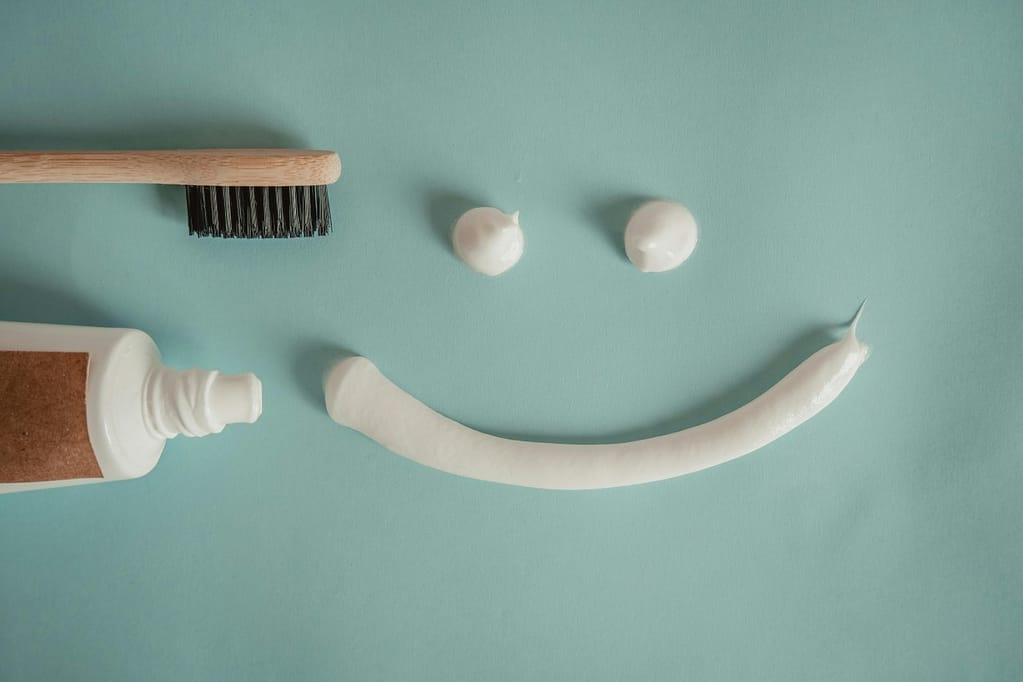
Brushing Isn’t a Race, It’s a Ritual
A major dental guide myth is that brushing harder means cleaner. That’s false. Brushing too hard wears down enamel and pushes gums back.
Brushing checklist:
-
Use circular motions (not sawing back and forth)
-
Brush for a full 2 minutes
-
Replace your toothbrush every 3 months
-
Brush your gumline gently
It’s not about scrubbing, it’s about intention.
Sugar Isn’t the Only Villain
We all know sugar feeds cavities, but here’s what most people miss: acid is just as damaging.
Sour candies, soda, and even lemon water can soften enamel.
Smart protection:
-
Rinse with plain water after acidic foods
-
Don’t brush immediately after — wait 30 minutes
-
Eat enamel-repairing foods (cheese, almonds, leafy greens)
Now that’s a dental guide truth worth remembering.
Your Diet Shapes Your Smile
The state of your teeth reflects the state of your gut, immunity, and bones. After 35, your body relies more on what you put in it daily.
Best foods for your dental health:
-
Calcium-rich: Paneer, tofu, yogurt
-
Vitamin C-loaded: Citrus, kiwi, bell peppers
-
Crunchy veggies: Carrots, celery (natural toothbrushes!)
-
Antioxidants: Green tea, berries
One of the easiest ways to learn how to improve dental health is by improving what’s on your plate.
Nighttime Is When Healing Happens
(or Doesn’t)
Going to bed without brushing gives bacteria 7+ hours to do damage.
But nighttime is also when your mouth rests, repairs, and rebuilds.
Evening oral care essentials:
-
Floss before brushing (not after!)
-
Use fluoride or remineralizing toothpaste
-
Avoid snacking after cleaning your teeth
-
Keep a dry mouth spray or sugar-free gum nearby if you snore or mouth-breathe
This dental guide hack can reduce morning breath, sensitivity, and decay risk.
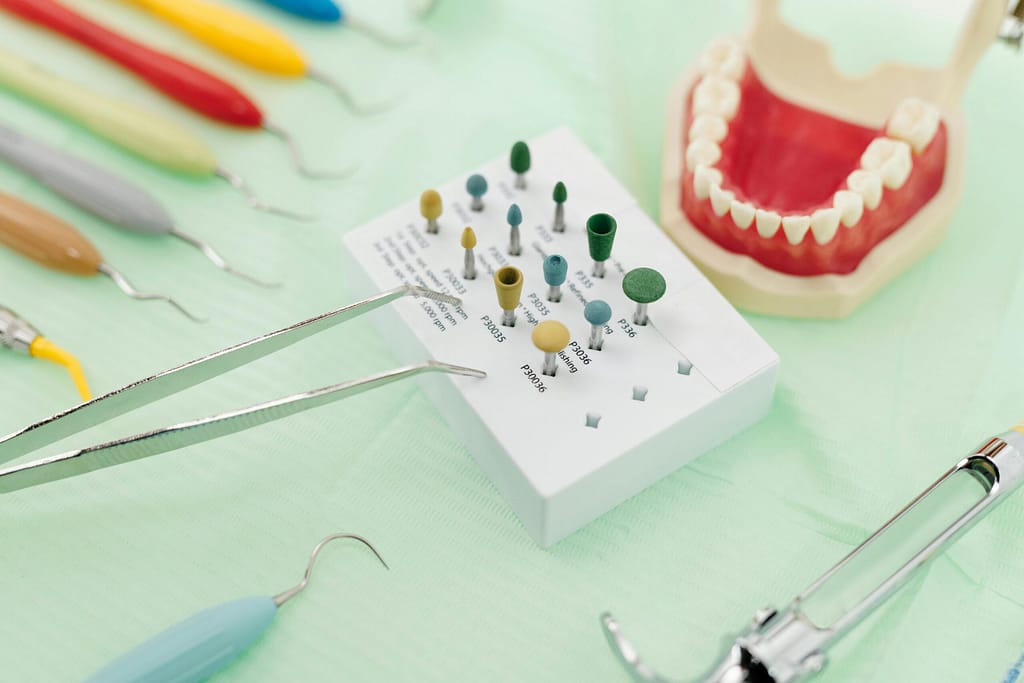
Don’t Skip Dental Cleanings
(Even If Your Teeth “Feel Fine”)
Tartar buildup can’t be removed by brushing alone. Only professional cleanings can do that.
And guess what?
Most gum disease has no symptoms in early stages.
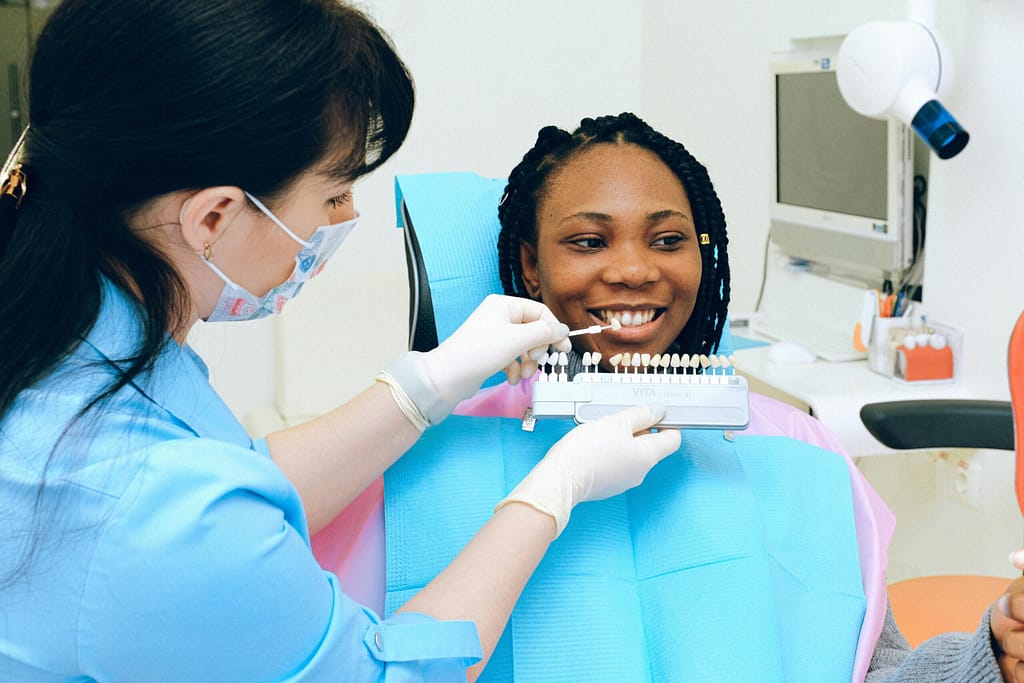
Bi-annual checkups help catch:
-
Tiny cracks
-
Early gum issues
-
Erosion or enamel wear
-
Bite problems
Think of it as a dental tune-up, not a repair job.
Your Mouth Talks.
Are You Listening?
Your mouth tells you more than you realize, through dryness, sensitivity, bleeding gums, and even cravings.
You don’t need perfection.
You just need attention.
This dental guide isn’t about scaring you, it’s about empowering you.
Because when you take care of your dental health:
-
You chew better
-
You speak more clearly
-
You smile more confidently
-
You reduce risk for bigger health issues
And those are dental benefits worth protecting.
Your mouth is one of the first places aging shows up, but also one of the easiest to support.
Save this post and revisit your routine tonight.
Subscribe to HealthAfter35 for weekly wellness tips that simplify smarter aging.
Comment below: What’s one dental habit you’ll start doing today?