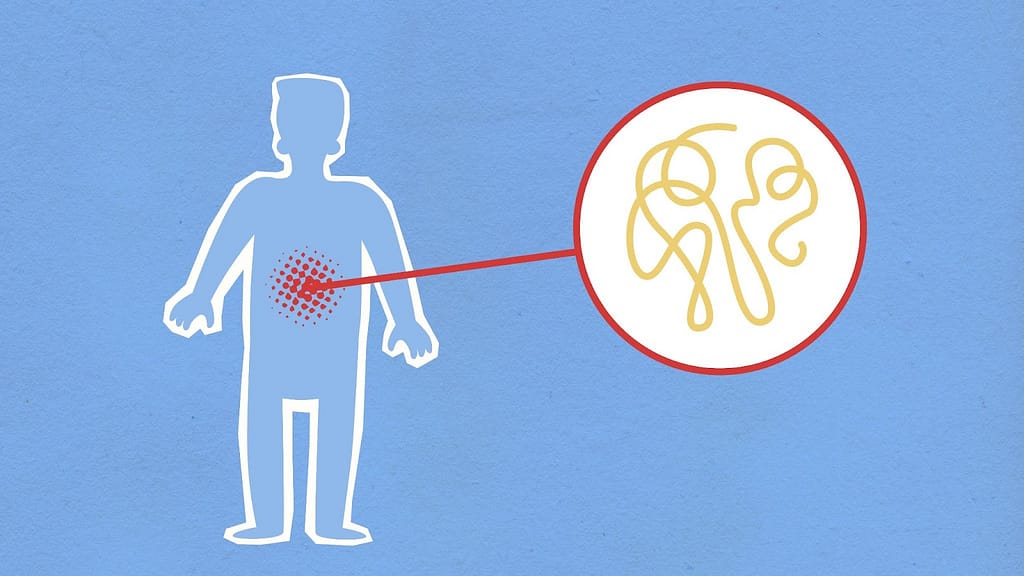

Understanding gut health problems becomes essential once you cross the age of 35. Many adults quietly struggle with bloating, discomfort, unpredictable digestion, low energy, food sensitivities, or unexplained fatigue—yet they don’t always realize how deeply the gut influences these everyday experiences. Your gut is not just a digestive system; it’s your body’s command center for mood, immunity, metabolism, and overall wellness.
In this simple, friendly guide, you’ll learn what gut health really means, why it matters more with age, what causes issues, and how gentle daily habits can support a healthier gut. No complicated science, just real-world guidance to help you feel more energetic, lighter, and more comfortable.
What Gut Health Really Means (Simple Explanation)
Gut health refers to the balance of good and bad bacteria living in your digestive system. This little community is known as the gut microbiome, and it influences far more than digestion.
Your microbiome affects:
-
Mood
-
Energy
-
Metabolism
-
Immunity
-
Nutrient absorption
-
Inflammation
-
Hunger
-
Bloating
When this bacteria balance becomes disturbed, people experience gut health problems like gas, sluggish digestion, fatigue, or irregular bowel movements. Many adults try searching for how to improve gut health, how to repair gut, or how to get rid of bad bacteria in the gut, all because they simply want to feel normal again.
But understanding starts with knowing what the gut actually does.
Your gut behaves like:
-
A communication center
-
A mood influencer
-
A nutrient processor
-
An immune system protector
This is why the gut is often called the “second brain.”
Why Gut Health Matters More After Age 35
The gut changes naturally with age. Hormones shift, metabolism slows, stress increases, and lifestyle habits become routine. All of these factors quietly influence digestion.
1. Stress Becomes More Constant
Work pressure, parenting, relationships, financial planning—stress impacts gut bacteria and digestion.
2. Hormones Change
This affects hunger, metabolism, and sensitivity to certain foods.
3. Digestion Slows Down
The gut doesn’t break food down as efficiently as before.
4. Sleep Becomes Lighter
Poor sleep disrupts digestive balance and slows repair processes.
5. Increased Antibiotic Use Over the Years
This often leads people to look for restoring gut flora after antibiotics, because medicine can accidentally reduce good bacteria.
6. Food Sensitivities Become More Noticeable
Certain foods may suddenly feel heavier, causing bloating or discomfort.
Once you’re aware of these factors, it becomes easier to handle gut health problems with simple, consistent habits.
Common Causes & Triggers of Gut Health Problems
These are practical, everyday triggers, not medical reasons, behind gut discomfort:
-
High stress
-
Eating too fast
-
Low fiber diet
-
Overconsumption of sugar
-
Highly processed foods
-
Too much caffeine
-
Irregular meal timings
-
Low water intake
-
Sedentary lifestyle
-
Poor sleep
-
Excessive antibiotics
-
Emotional tension or worry
-
Low diversity in foods
These triggers influence the balance of good bacteria, raising interest in gut health probiotics, gut health supplements, or even taking a gut microbiome test for transparency.
Signs You May Notice (Awareness Only)
These are not diagnoses, just everyday experiences many people report:
-
Bloating after meals
-
Excessive gas
-
Irregular bowel movements
-
Low energy
-
Heavy stomach
-
Sudden hunger swings (probiotics and hunger connection)
-
Brain fog
-
Food cravings
-
Skin dullness
-
Feeling tired even after eating
-
Sensitivity to certain foods
These signs simply mean your body wants balance, not that something is wrong.
How Gut Problems Affect Daily Life
Poor gut health influences far more than digestion. It affects how you feel emotionally, how energetic you are, and how motivated you feel throughout the day.
1. Mood & Emotional Balance
The gut produces most of the body’s serotonin—so imbalances can impact mood.
2. Energy Levels
Digestion affects magnesium absorption, blood sugar balance, and fatigue patterns.
3. Hunger Control
Imbalance can affect hunger signals, making you feel hungry too often or not at all.
4. Skin Health
Gut issues often show up as breakouts, dullness, or irritation.
5. Immunity
Your gut supports your body’s frontline defense, which is why people ask how does sleep affect immune system and how does gut health affect immunity simultaneously—they are deeply connected.
6. Weight Fluctuations
Sluggish digestion can make people feel puffy or heavier than usual.
This is why understanding gut health problems becomes crucial for feeling good daily.
General Wellness Tips to Support Gut Health
These simple habits can help your digestive system feel lighter—not medical suggestions, just gentle practices.
1. Add More Fiber Slowly
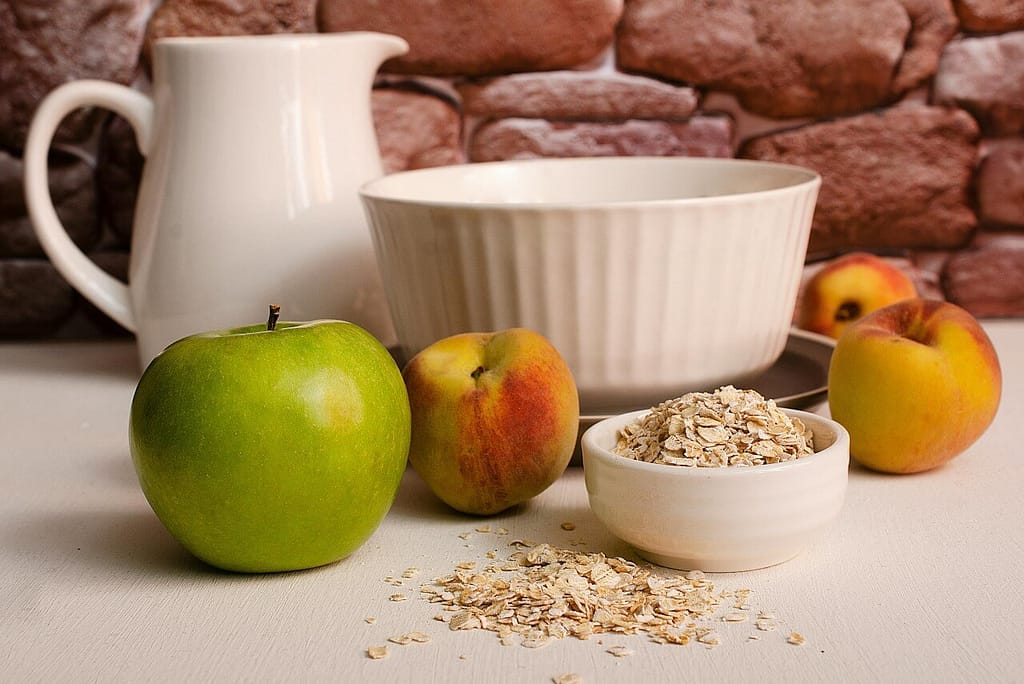
Whole fruits, vegetables, nuts, seeds, oats, millets.
2. Chew Your Food Properly
Digestion begins in the mouth.
3. Stay Hydrated Throughout the Day
Water supports movement and comfort.
4. Add Naturally Fermented Foods
Curd, homemade pickles, kimchi, kombucha—simple sources of natural probiotics.
5. Manage Stress Mindfully
Short walks, breathing, or journaling can ease digestion.
6. Sleep Consistently
The brain-gut connection becomes stronger with rest.
7. Move Gently After Meals
Walking helps reduce heaviness and bloating.
These habits gently support the gut microbiome.
Prevention & Awareness Tips
Diversify Your Diet
Different foods feed different bacteria.
Limit Sugar
Bad bacteria thrive on sugar.
Notice Sensitivities
Pay attention to foods that make you feel heavy.
Add Prebiotic Foods
Fruits, garlic, onions, banana—natural prebiotics.
Be Cautious With Overuse of Antibiotics
They affect bacterial balance and increase the need for restoring gut flora after antibiotics.
Experiment With Probiotics
Some people explore probiotics for gut health, gut health probiotics, or the best probiotics for gut health based on personal preference.
Track Your Digestion
Journaling helps identify patterns.
Many also take a gut health test or gut microbiome test for awareness—not as a medical diagnostic tool.
Understanding Probiotics (Simple & Non-Clinical)
Probiotics are beneficial bacteria that support gut balance. They can come from food or supplements.
People often ask:
-
“What’s a probiotic that works?”
-
“What are the best probiotics for gut health?”
-
“Should I try a prebiotic probiotic combination?”
-
“Which gut health supplement is helpful?”
The truth: everyone’s gut reacts differently. Some find improvement with simple foods. Others explore gut health supplements, including options marketed as the best gut health supplement.
Awareness > perfection.
Myths vs Facts (Simple & Friendly)
Myth 1: Gut health only affects digestion.
Fact: It affects mood, immunity, hunger, energy, and clarity.
Myth 2: You need harsh cleanses.
Fact: Small lifestyle changes improve gut balance more effectively.
Myth 3: Probiotics work instantly.
Fact: Gut changes take time and consistency.
Myth 4: Only unhealthy people have gut issues.
Fact: Even those who eat well can experience imbalances.
Myth 5: All supplements work the same.
Fact: Gut biology differs person to person.
Your gut plays a powerful role in your daily energy, mood, and comfort. When you understand your digestion, listen to your body, and make small, gentle changes, you give your system the balance it needs to thrive. Feeling lighter, clearer, and more energized begins with gut awareness, not complicated routines.
Your wellbeing matters, start with one small change today, and let this gut health guide help you understand and manage gut health problems gently, so your future feels healthier beyond any gut health problems.