
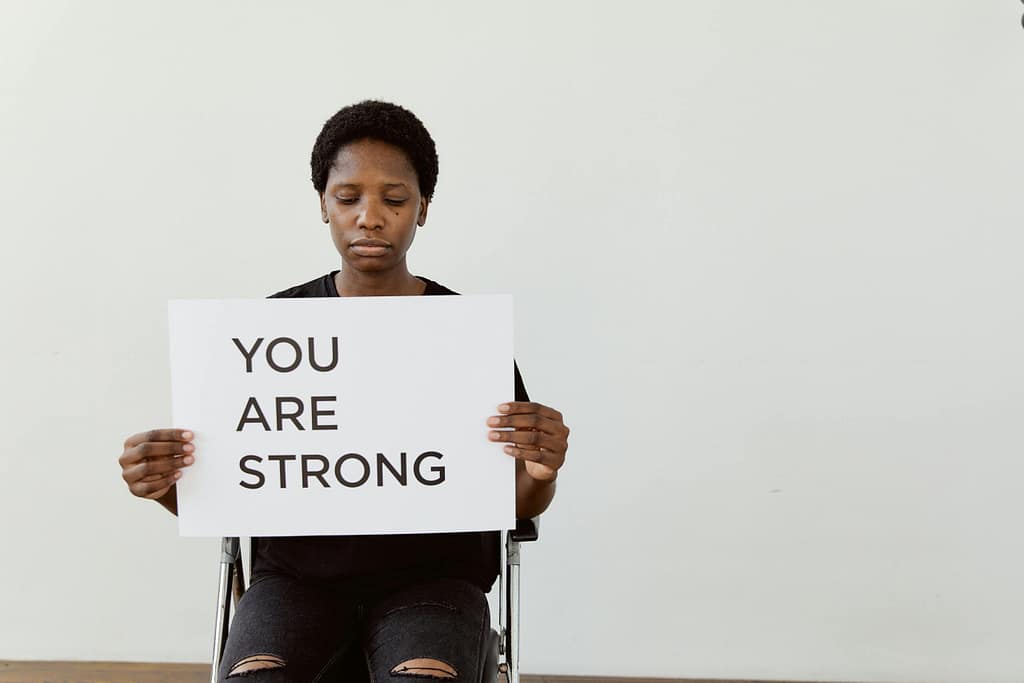
If you’ve been feeling more emotionally drained lately, maybe less patient, more overwhelmed, or simply not “yourself”, you’re not alone. In fact, one of the most important emotional health improvement facts is this: after 35, emotional fatigue becomes more common, but it’s not inevitable.
The good news? You don’t need therapy jargon or endless self-help books to feel better. Emotional health is something you can strengthen, just like your muscles, with small, consistent changes.
Let’s explore how to shift from mentally exhausted to emotionally resilient using real, relatable strategies you can start today.
Why Emotional Health Feels Harder After 35
Life gets more complex as we grow older: careers, family, health, responsibilities, they all demand our attention. But emotional health often gets pushed to the bottom of the list.
What most people don’t realize is that even low-level, “functional” stress takes a toll on your emotional balance.
And when it’s ignored, it shows up as:
-
Brain fog and forgetfulness
-
Irritability or mood swings
-
Lack of motivation or energy
-
Sleep issues
-
Digestive problems
-
Social withdrawal
These symptoms may feel physical, but at the core, they’re often signals that you need some emotional health improvement.
What Is Emotional Health, Really?
Emotional health isn’t about being happy all the time. It’s about:
-
Handling stress without snapping
-
Bouncing back from setbacks
-
Feeling safe expressing emotions
-
Knowing when to pause and reset
And the best part?
You can build these skills, no matter your age or background.
That’s where the emotional health benefits really kick in.
Where to Begin: Check in With Yourself
Before making changes, you need awareness. Ask yourself:
-
How often do I feel emotionally reactive vs. grounded?
-
Am I constantly “on” or overwhelmed by little things?
-
Do I feel rested after a full night’s sleep?
-
When was the last time I had fun or relaxed, guilt-free?
This kind of check-in is the first step in how to improve emotional health without judgment.
1. Restore with Restorative Rest
Most people think emotional burnout is just about stress. But emotional fatigue often comes from chronic lack of proper rest. And we’re not just talking about sleep, we’re talking about emotional rest.
Try:
-
Saying “no” to draining requests
-
Taking 10-minute breaks with no phone
-
Ending the day with calming routines (reading, music, journaling)
These small changes go a long way in emotional health improvement.
2. Talk It Out (But Not Just with Words)
You don’t always need deep conversations to process emotions. Sometimes expression can come in quieter ways.
Try:
-
Writing out frustrations or thoughts you’re avoiding
-
Drawing, dancing, or playing music
-
Recording voice notes to yourself
Creative expression allows you to release what your mind is holding onto, and that’s a major emotional health benefit.
3. Move for Your Mood
Physical activity is one of the simplest ways to shift your emotional state.
Movement increases dopamine and serotonin, two brain chemicals responsible for mood and motivation.
No-guilt options:
-
A 15-minute walk in fresh air
-
Stretching or light yoga with calming music
-
Dancing like no one’s watching (because they aren’t)
This isn’t about weight loss, it’s about how to improve emotional health using your body’s own rhythm.
4. Reduce Mental Noise
Your brain was not built to handle 500 notifications a day, a constantly buzzing feed, and an endless to-do list.
Too much input = emotional shutdown.
Detox gently:
-
1 hour of phone-free time per day
-
Unfollow draining accounts on social media
-
Use “Do Not Disturb” during meals or walks
You don’t need to disappear, just pause. That space is where emotional health improvement begins.
5. Rewire Stress with Stillness
Mindfulness doesn’t have to mean 30 minutes of silent meditation. It can be:
-
Noticing your breath for 10 seconds
-
Feeling the ground under your feet while waiting in line
-
Watching your thoughts instead of reacting to them
These “micro-moments” add up. And the emotional health benefits include less reactivity, better focus, and calmer energy.
6. Share, Don’t Shoulder
We’re often conditioned to “handle it ourselves”, especially after 35 when we’re expected to have it all together.
But holding everything in doesn’t make you strong, it makes you stuck.
Practice:
-
Talking to a trusted friend about how you really feel
-
Joining a support group or online community
-
Opening up to your partner without trying to “fix” anything
Sometimes, simply being heard is the emotional health improvement you didn’t know you needed.
7. Watch What You’re Feeding Your Brain
Your emotional health isn’t just shaped by your thoughts, it’s shaped by what you consume.
Ask:
-
Are the people I follow inspiring or exhausting?
-
Does the content I watch leave me tense or uplifted?
-
Am I numbing with news, reels, or constant noise?
Protecting your energy is how to improve emotional health without needing a detox retreat.
Small Shifts, Big Balance
You don’t need to overhaul your life to feel emotionally healthier. What you need is intention, and a willingness to try something different.
-
Replace noise with calm.
-
Choose rest over rushing.
-
Let emotions move through you instead of around you.
-
Reach out when you’re carrying too much.
These aren’t just emotional health tips, they’re tools to help you come home to yourself again.
Because the truth is: you’re not broken, you’re just burned out. And emotional health isn’t about being perfect. It’s about feeling like you again.
Whether you need peace, motivation, or clarity, your next step toward emotional health improvement can be as small as a deep breath.
Want simple, effective wellness tips every week?
Subscribe to HealthAfter35 for realistic, judgment-free advice you’ll actually enjoy following.
Tell us in the comments — what’s your favorite way to reset emotionally?